
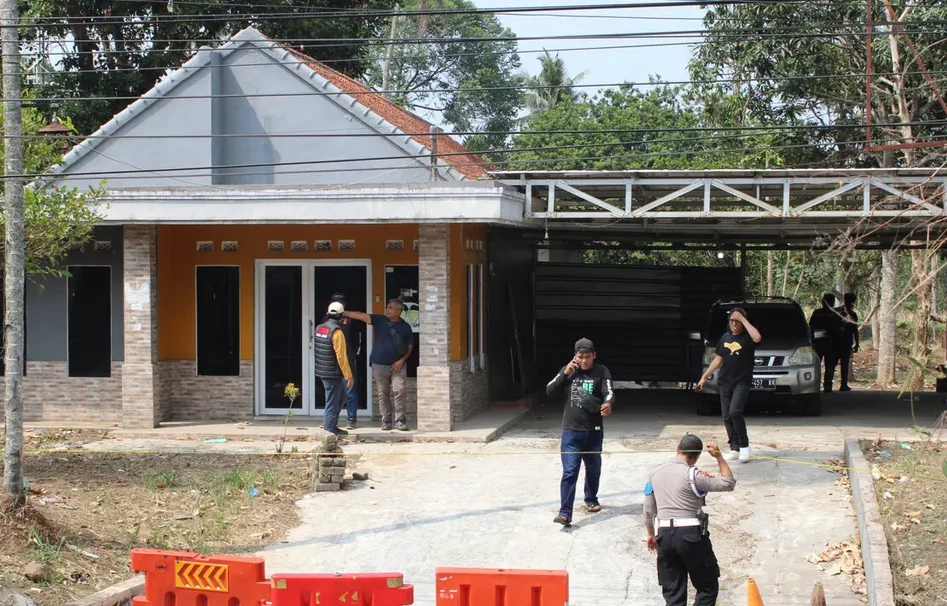
For more than two years, the Subang murders sat in Indonesia’s public imagination as one of those cases that felt impossible to solve. Police found a mother and daughter dead inside the trunk of a luxury car. The house showed signs of violence. Early mistakes damaged the crime scene. Family members gave interviews, suspicion moved in circles, and the public watched the case turn into a long, bitter guessing game.
Then, in 2023, the story changed. A relative came forward. Police named five suspects. In 2024, prosecutors brought two men to trial, and judges convicted them. Even after the verdicts, the case did not become simple. The Subang murders now sit between answers and unfinished business: a case with convictions, appeals, remaining suspects, and a family destroyed from the inside.
The Morning in Jalancagak
On 18 August 2021, police found Tuti Suhartini, 55, and her daughter Amalia Mustika Ratu, 23, dead at their home in Jalancagak, Subang, West Java. Investigators discovered their bodies inside the trunk of a Toyota Alphard parked at the house.
The scene immediately drew national attention. Someone had killed a mother and daughter in their own home, then placed them inside a car in the garage area. Early reporting from Kompas described visible injuries and a crime scene that raised more questions than answers. Indonesians soon knew the case simply as the pembunuhan ibu dan anak di Subang: the mother-and-daughter murder in Subang.
The first hours after a murder matter. In Subang, those hours helped explain why the investigation dragged on. Later reporting from Kompas.id said West Java police found procedural mistakes in the earlier handling of the case. That admission matters. When investigators fail to protect and process a crime scene carefully from the beginning, they make the search for truth harder for everyone: prosecutors, defendants, and most of all the victims’ families.
Who Were Tuti and Amel?
Tuti Suhartini was the wife of Yosep Hidayah. Amalia Mustika Ratu, often called Amel, was their daughter. Amel was young, educated, and connected to a family-run foundation. Indonesian coverage repeatedly framed her as someone with responsibilities and a future still opening in front of her.
Because the case involved close family relationships, public discussion became especially intense. A stranger in a dark alley did not kill Tuti. A passing attacker did not randomly target Amel. Police later argued that the danger came from within the family circle itself.
That detail made the case so unsettling. The brutality shocked people, but the setting hurt in a different way. The home, the place where both victims should have felt safest, became the scene of their deaths.
Two Years of Mystery
For a long time, the Subang case seemed stuck. Police questioned dozens of witnesses. Media outlets followed family members, lawyers, and investigators. Speculation spread across television, YouTube, TikTok, and comment sections. Everyone seemed to have a theory. No one seemed to have a court-ready answer.
The delay created its own kind of harm. The longer a case remains unresolved, the more public suspicion attaches itself to people around the victims. Some of that suspicion may later prove justified; some may not. Meanwhile, grief becomes public property. Strangers analyze every interview, every contradiction, and every facial expression.
By 2023, the case had become a symbol of investigative frustration. M Ramdanu, known as Danu, then came forward.
Danu Comes Forward
In October 2023, Danu surrendered and gave a statement that changed the direction of the case. He was a relative of the victims and had long been part of the public conversation around the case. After his confession, police named five suspects: Yosep Hidayah, Danu, Mimin Mintarsih, Arighi Reksa Pratama, and Abi Aulia.
Yosep was Tuti’s husband and Amel’s father. Mimin was Yosep’s second wife. Arighi and Abi belonged to that second household. Danu’s account placed Yosep at the center of the prosecution theory, while also drawing other family members into the legal process.
That does not mean every question suddenly disappeared. A confession can unlock a case, but investigators still have to test it. Police carried out reconstruction and additional checks. Kompas TV reported that investigators said Danu’s account matched findings during a renewed crime-scene reconstruction. After years of stillness, the case began moving toward court.
The Prosecution Theory
According to police statements reported by detikJabar, Yosep allegedly asked Danu to help “give a lesson” to Tuti and told him to prepare tools including a machete and golf club. Prosecutors later treated Yosep as the main actor in the killing.
Indonesian reporting has linked the publicly discussed motive to family conflict, money, and tension around control of family assets or foundation matters. As with many domestic murder cases, the motive is less cinematic than people expect. One dramatic trigger does not always explain everything. Sometimes resentment, control, entitlement, and financial conflict accumulate over time.
What makes this case so painful is that the victims were not outsiders to the accused. If we follow the court’s conclusions, the crime was not only a murder. It also betrayed the most basic family bonds.
The Trial and Verdicts
On 25 July 2024, the Subang District Court sentenced Yosep Hidayah to 20 years in prison. Kompas TV reported that Yosep denied the verdict and said he would appeal. detikJabar later reported that the Bandung High Court rejected his appeal and upheld the 20-year sentence on 26 August 2024.
Danu received a much lighter sentence. detikJabar reported that judges gave him four years in prison after considering that he admitted his role, helped expose the case, and did not act as the main perpetrator.
That contrast matters. It shows how the court separated levels of responsibility. Judges treated Yosep as the central actor. They treated Danu as involved, but also as someone whose cooperation helped finally break open the case after more than two years.
The Remaining Suspects
The legal story did not end with Yosep and Danu. Police also named Mimin, Arighi, and Abi as suspects. Their status has moved through a more complicated process. Okezone reported in February 2024 that investigators still needed to complete the files for Mimin, Arighi, and Abi while prosecutors moved Yosep and Danu toward trial.
Later reporting continued to show that the remaining suspects’ cases had not reached the same point as Yosep and Danu’s. Antara Jawa Barat reported in 2025 that police had named Abi Aulia as a suspect in the murder case, while investigators continued processing Mimin and Arighi. Jabar Ekspres reported in April 2025 that a court rejected a pretrial challenge by Mimin and Arighi, meaning their suspect status could continue.
That is why calling the Subang murders simply “solved” would be too neat. Courts have issued convictions. Investigators and prosecutors have also continued working through the legal process around other people police identified as suspects.
The Investigation Problem
The Subang case matters because of the murders, but also because the system moved so slowly. Kompas.id reported that West Java police found procedural mistakes in the earlier investigation. That detail deserves more than a footnote. It helps explain why a double murder with intense public attention could remain unresolved for so long.
When an investigation is slow, people often assume the case is unusually clever. Sometimes that is true. But sometimes the first steps were flawed: officers failed to secure the scene well enough, preserve evidence cleanly enough, or build a strong enough theory. In the Subang case, the later admission of procedural problems makes the delay feel less mysterious and more institutional.
The victims paid the highest price. But flawed investigations also damage public trust. They create space for rumor, online accusation, and the sense that justice depends less on evidence than on whoever can keep a story alive in the media.
Why the Case Stayed Viral
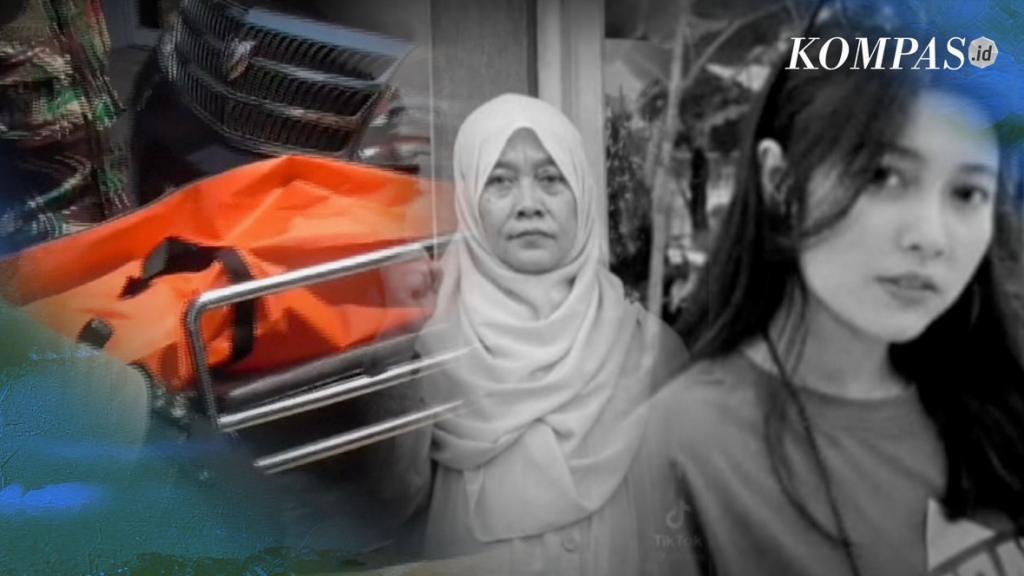
The Subang murders became a long-running media obsession because the case had every element that keeps public attention locked in: a mother and daughter, a family home, a luxury car, inheritance questions, a second wife, shifting statements, and a police investigation that seemed to move in circles.
But the viral framing sometimes swallowed the victims. Online audiences turned Tuti and Amel into symbols of a “mystery” before they remembered them as people. Creators discussed their deaths through theories, thumbnails, dramatic music, and speculation about family conflict. The more time passed without arrests, the more the case became entertainment for people who did not have to live with the loss.
That is one of the uncomfortable truths of modern true crime. Public attention can help keep pressure on institutions. It can also turn grief into a series.
Where the Case Stands
As of the latest public reporting used for this article, Yosep Hidayah has received a 20-year prison sentence, and the appeal court upheld it. Danu has received a four-year sentence. Mimin, Arighi, and Abi remain part of the broader suspect process, with reporting indicating that their legal status has continued separately from the completed trials of Yosep and Danu.
The Subang murders are therefore not a cold case in the old sense anymore. They are a partly adjudicated case: two convictions, remaining legal questions, and a public still trying to understand how someone could kill a mother and daughter inside a family home while the answer stayed hidden for so long.
Tuti and Amel’s names should stay at the center. Not the car. Not the rumors. Not the spectacle. Someone killed a mother and daughter, and the years it took to reach partial justice remain part of the harm.
Sources and Further Reading
- Kompas: early reporting on the deaths of Tuti and Amalia in Subang
- Kompas TV: two-year timeline and naming of suspects
- Kompas.id: police found procedural mistakes in the investigation
- detikJabar: Yosep sentenced to 20 years in prison
- detikNews: Bandung High Court upholds Yosep’s 20-year sentence
- detikJabar: Danu sentenced to four years after helping expose the case
- Okezone: Yosep and Danu moved toward trial while other files remained incomplete
- Antara Jawa Barat: Abi Aulia named as a suspect in the case